



Associated Companies in over 175 towns in Great Britain and in Barbados, Bermuda. Canada, Ceylon, Guyana,
Hong Kong, Jamaica, Malaya, Malta, Singapore, South Africa, Trinidad and West Africa etc.
Hong Kong, Jamaica, Malaya, Malta, Singapore, South Africa, Trinidad and West Africa etc.
17, Jalan Pahang,
53000 Kula Lumpur,
Malaya Tel : 603-4424544
53000 Kula Lumpur,
Malaya Tel : 603-4424544
Rediffusion (Malaya) Sdn Bhd
REDIFFUSION Malaya
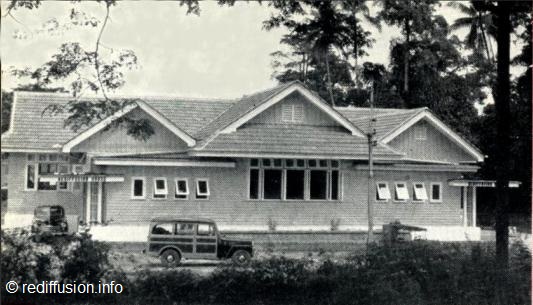
The Rediffusion Building at Jalan Pahang when opened in in 1949
On the 4th of August 1949, Rediffusion services started in Kuala Lumpur and by the end of 1949 the subscriber total was well over 6,000. Both Kuala Lumpur and Singapore, which commenced operation three days earlier, had specially designed new headquarters buildings which contained all the studios, etc. necessary for the origination of programmmes. In both places dual programme services operated, being known as the Silver and Blue networks, and as with Hong Kong, commercial programmes were a successful feature of the services. Quoting a paragraph from the 'Malay Sunday Tribune' reporting the opening of 'K.L.'
"This new service will become more and more popular in this country, it entails perfect listening for all communities at an almost negligible cost and we wish good luck to K.L. and Singapore in getting their services successfully established".
Four years later, in 1953 Rediffusion were to extend their service to Penang.
"This new service will become more and more popular in this country, it entails perfect listening for all communities at an almost negligible cost and we wish good luck to K.L. and Singapore in getting their services successfully established".
Four years later, in 1953 Rediffusion were to extend their service to Penang.
|
|
|
|
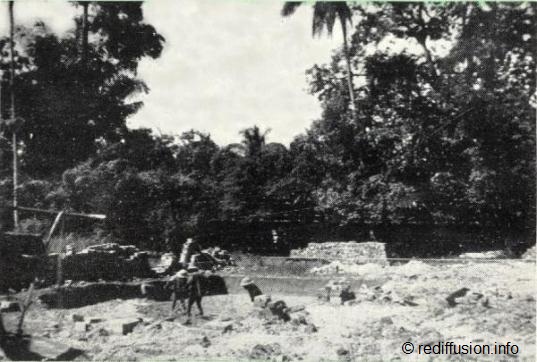
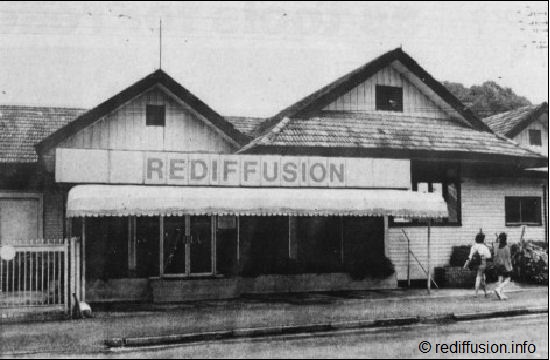
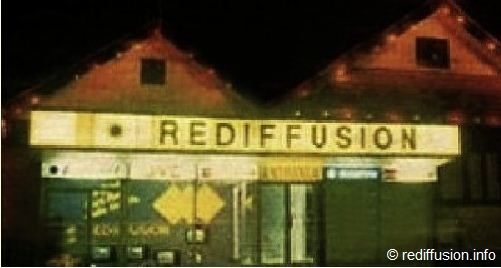
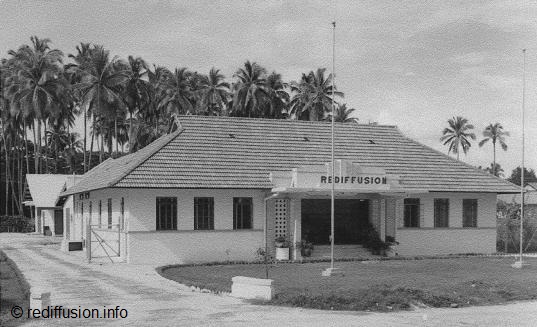
Some early views of the buildings in Malaya


|
|
|
|
.JPG "Gordon Adler General Manager")
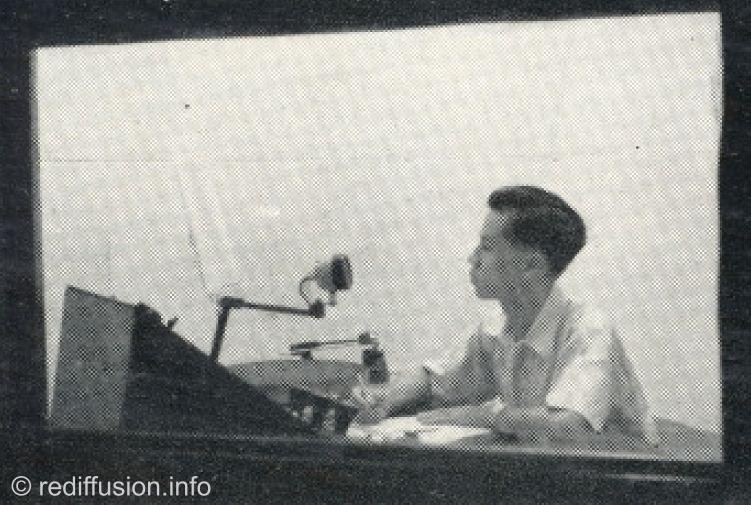
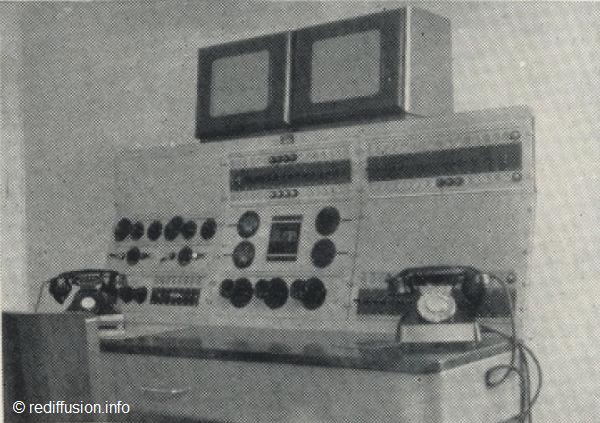
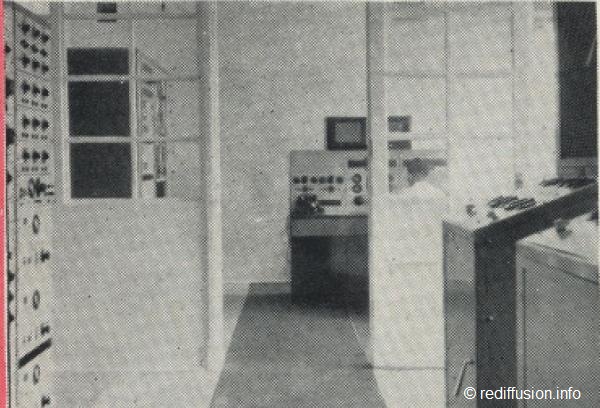
Some early views of Rediffusion KL Malaya
Links to other pages and regarding Rediffusion's service in Malaya.
Did you work for Rediffusion Malaya ? Share your memories.
The bright yellow Rediffusion signboard has been there for 46 years since the establishment of Rediffuslon's first office in Malaya 20 years after the idea originated in England. With its initial base in Kuala Lumpur and a substation in Penang, Province Welleshby and Ipoh followed some11 years later.
Managed wholly by the British Company, Overseas Rediffusion, subscribership grew steadily reaching 55,000 in 1984 when 55 per cent of the company was divested to Tan Sri Asman Hashim, who was the first Malaysian to hold a stake in Rediffusion Malaya Sdn Bhd. However the company still retained British expertise and Management. BET disposed of its remaining 45 per cent share to local corporations Vital Fortune Sdn Bhd (30 per cent) and Kemas Murni Sdn Bhd (15 per cent) in 1989, making the establishment a wholly Malaysian company
With Azman at the helm, the company changed Its name to Rediffusion Cable Network Sdn Bhd (RCN) in July 1991 to reflect Its broadcasting business. In 2003 Rediffusion was acquired by STAR Publications and renamed Star Rfm Sdn Bhd.
Managed wholly by the British Company, Overseas Rediffusion, subscribership grew steadily reaching 55,000 in 1984 when 55 per cent of the company was divested to Tan Sri Asman Hashim, who was the first Malaysian to hold a stake in Rediffusion Malaya Sdn Bhd. However the company still retained British expertise and Management. BET disposed of its remaining 45 per cent share to local corporations Vital Fortune Sdn Bhd (30 per cent) and Kemas Murni Sdn Bhd (15 per cent) in 1989, making the establishment a wholly Malaysian company
With Azman at the helm, the company changed Its name to Rediffusion Cable Network Sdn Bhd (RCN) in July 1991 to reflect Its broadcasting business. In 2003 Rediffusion was acquired by STAR Publications and renamed Star Rfm Sdn Bhd.

Frederic Pacey was the Chief Engineer with Rediffusion in Penang. Read More.
© rediffusion.info 2011